

Supporting individuals and families before and after a loss.
All programs are offered free of charge
What does bereavement mean? Bereavement is the state of intense grief and a period of mourning after the loss of a loved one.
Bereavement Visitation
- In the Home – Qualified bereavement volunteers visit clients as needed. The length of each visit is agreed upon between the client and the visitor. It is an opportunity for clients to talk about their loved one, share stories and pictures and discuss the challenges they are currently facing.
- Alternate location – For some people it is more comfortable to meet outside the home. This is the same program as above, the only difference is that the visit is in a location more comfortable to the client such as a coffee shop, the park, or the Hospice office; the choice is left to the client.
- Bereavement Support Group – The Hospice Society hosts a twelve-week support group based on Dr. Alan Wolfelt’s book “Understanding Your Grief”. Through the process of sharing and storytelling led by a qualified facilitator, the group explores the ten essential touchstones for finding hope and healing hearts.
Sessions focus on:
- Expected loss, such as the death of a child, grandchild, spouse, parent, sibling, or friend following illness or decline.
- Unexpected loss, such as suicide, accidental, drug overdose, or sudden death.
Grief Support
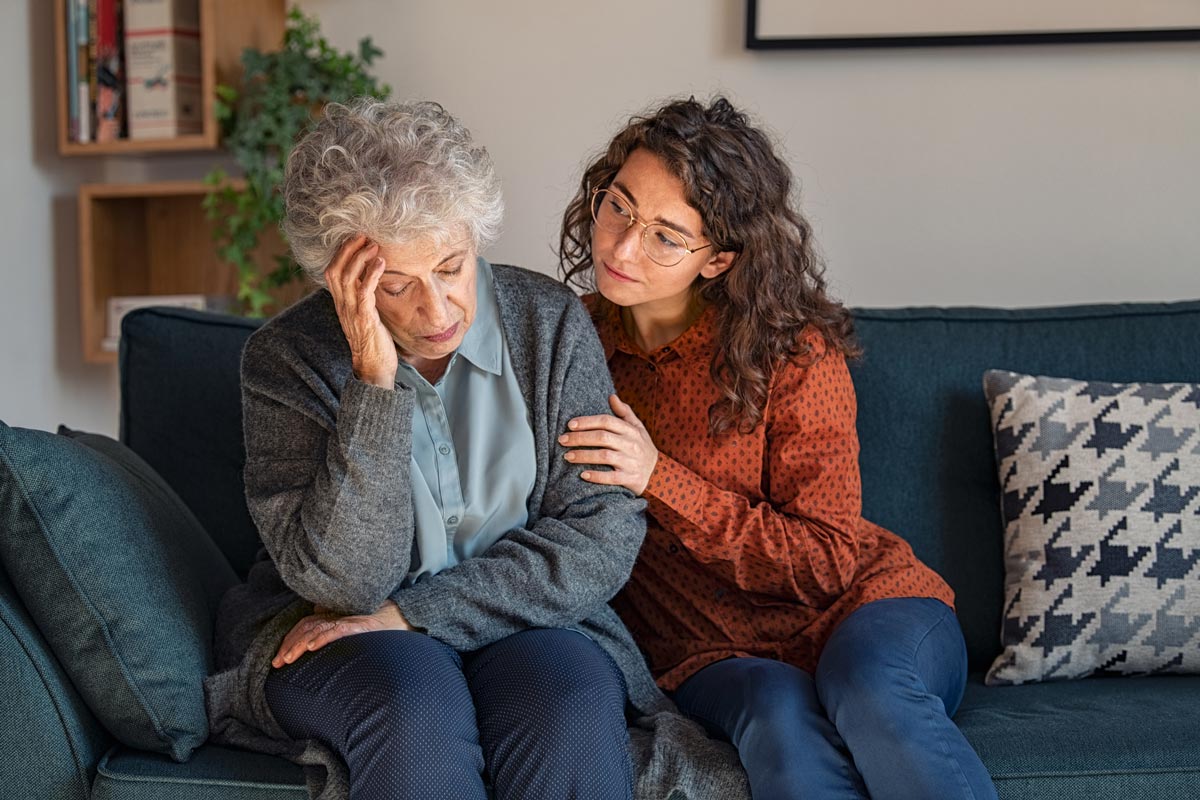
Family members, spouses and friends who are anticipating the death of a loved one may need support to navigate the end of life journey. The Hospice Society provides visitors for the client to talk about their loved one, share stories and pictures and discuss the challenges they are currently facing.
- Anticipatory grief support is offered to individuals and families who are beginning to experience grief in advance of a loss. This may occur when a loved one is living with a life-limiting illness or declining health. This form of support acknowledges the emotional complexity of preparing for an expected death while continuing to care, love, and remain present. It provides a safe space to express emotions such as sadness, fear, anger, guilt, and uncertainty, while helping individuals build coping strategies and emotional resilience during this time of transition.
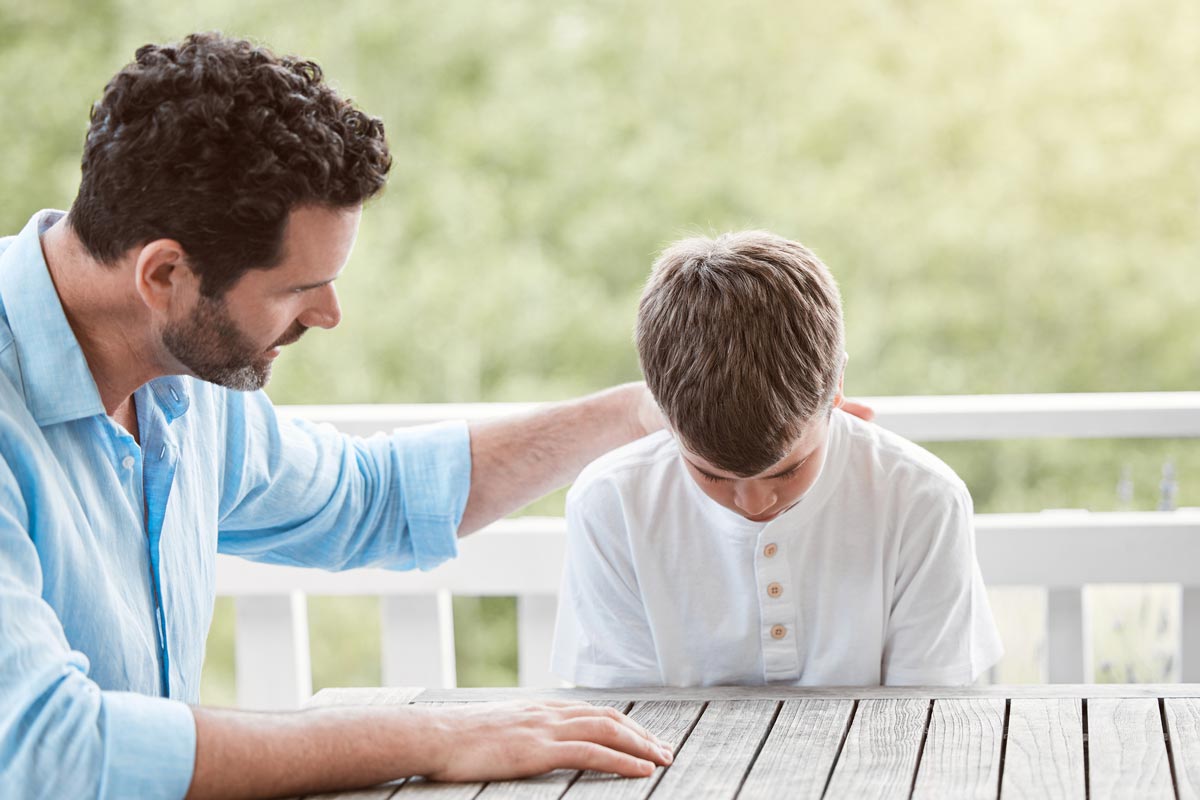
- Complicated grief support programming is designed for individuals whose grief experience is prolonged, intense, or disruptive to daily functioning. This may include grief following traumatic circumstances, sudden loss, or situations where healing feels stalled or complicated by additional stressors. These supports focus on gentle guidance, emotional processing, normalization of grief responses, and connection to appropriate therapeutic or community resources when needed.
All programs are offered free of charge
Through facilitated conversation, compassionate listening, and peer and individual support, participants are supported in expressing their grief, finding connection with others who understand, and developing coping strategies at their own pace.
